









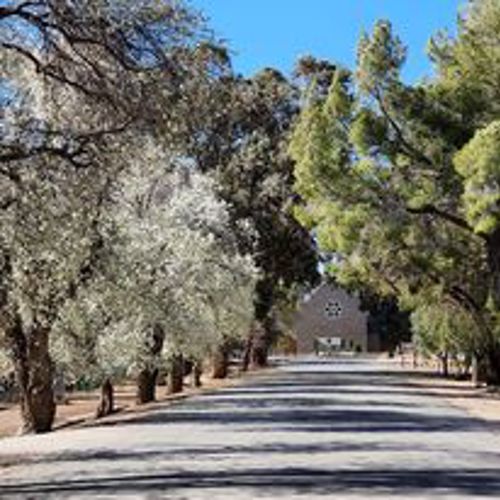

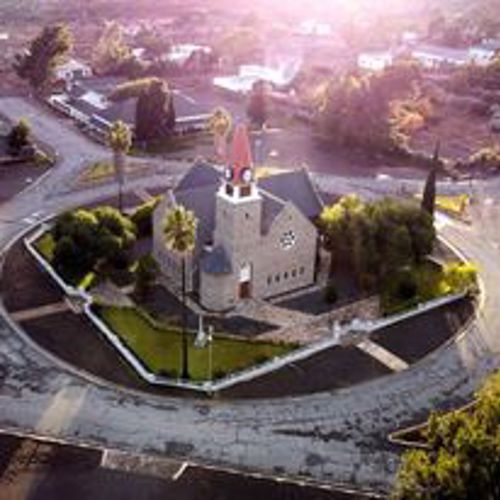




Travelling through the Karoo along the popular R63, the road passes through a little cutting in a hill before revealing the tiny village of Loxton in the 'Hardemanskaroo', part of the Ubuntu municipality and Pixley ka Seme district municipality. The town was built on the farm Phezantefontein, which was bought by the Dutch Reformed Church from A.E Loxton for £7,500 in 1899. The town is believed to have been named after A.E Loxton due to a £50 donation he made to fund the salary of the town's first Dutch Reformed Church minister. The church that stands in the town's center was constructed in 1924. Loxton is one of those unexpected Karoo settlements that is a shade-rich environment, thanks to Nicolaas Johannes Hendrik Theunissen of the farm Altona, who planted pear and cypress trees along all its streets over 125 years ago and drove in to town weekly to water these trees . The original narrow lei water channels are for flood irrigation. Along with a variety of lovely old Karoo architecture and friendly inhabitants, this is a particularly appealing town. With a population of just over 1,000 souls, there is no hubbub of activity. You won’t find a busy town center here. The lack of activity on the streets belies the bustle behind closed doors and garden gates; many small businesses are out of sight, and most families are knee-deep in the busyness of farming. Loxton is mainly a major wool-producing community. After most of the small town was destroyed…
Travelling through the Karoo along the popular R63, the road passes through a little cutting in a hill before revealing the tiny village of Loxton in the 'Hardemanskaroo', part of the Ubuntu municipality and Pixley ka Seme district municipality. The town was built on the farm Phezantefontein, which was bought by the Dutch Reformed Church from A.E Loxton for £7,500 in 1899. The town is believed to have been named after A.E Loxton due to a £50 donation he made to fund the salary of the town's first Dutch Reformed Church minister. The church that stands in the town's center was constructed in 1924.
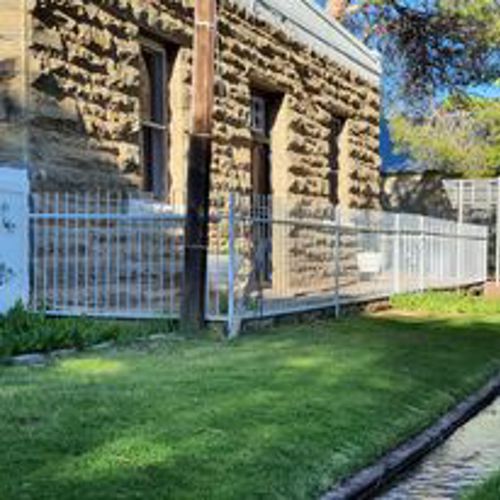
Loxton is one of those unexpected Karoo settlements that is a shade-rich environment, thanks to Nicolaas Johannes Hendrik Theunissen of the farm Altona, who planted pear and cypress trees along all its streets over 125 years ago and drove in to town weekly to water these trees . The original narrow lei water channels are for flood irrigation. Along with a variety of lovely old Karoo architecture and friendly inhabitants, this is a particularly appealing town.
With a population of just over 1,000 souls, there is no hubbub of activity. You won’t find a busy town center here. The lack of activity on the streets belies the bustle behind closed doors and garden gates; many small businesses are out of sight, and most families are knee-deep in the busyness of farming. Loxton is mainly a major wool-producing community.
After most of the small town was destroyed by a flash flood that caused the town's dam to burst in March 1961 and years of neglect, the town is enjoying a revival; buildings are enjoying restoration, and there are community-led projects to maintain, clean and beautify the area. It has a coffee shop, a liquor store, an art gallery, a vehicle repair shop and the local coop (KVB) provides a small grocery shop, agricultural, irrigation and electrical supplies.
Neighbouring Towns
Distances below are the most popular roads, sometimes dirt and sometimes tar.