









54km drive from Graaff-Reinet, in the Southern foothills of the Sneeuberge, lies Nieu-Bethesda. This unspoilt village is dominated by the towering Compassberg (2504m), the highest peak in South Africa outside the Stormberg-Drakensberg massif. This remote Eastern Cape Karoo hamlet is best known for Helen Martins’ iconic Owl House and some of the most memorable fossil discoveries of the last hundred years. Nieu-Bethesda was founded in 1875 as a church town, like many other Karoo villages, and attained municipal status in 1886. The name is of biblical origin (John 5:2–4) and means "place of flowing water". The Great Depression, improved transport and the secluded location led to a mass exodus from Nieu-Bethesda during the 1930s and ‘40s, leaving the town in an impoverished state. This isolation of Nieu-Bethesda resulted in the retention of much of its historical integrity and charm. Athol Fugard’s 1984 play, “The Road to Mecca”, and subsequent film adaptation drew international attention and established the village as a tourist destination. “The Road to Mecca” was inspired by Helen Martins, who was born in Nieu-Bethesda in 1897. Following a teaching and acting career, Helen returned to Nieu-Bethesda in 1928 to care for her frail parents. After her father’s death in 1941, she began to transform her home and garden in a quest to bring wonder, magic and light into her existence. Helen’s creations, The Owlhouse and Camelyard are now considered some of the best Outsider Art in the world. At the age of 78, crippled by arthritis and suffering…
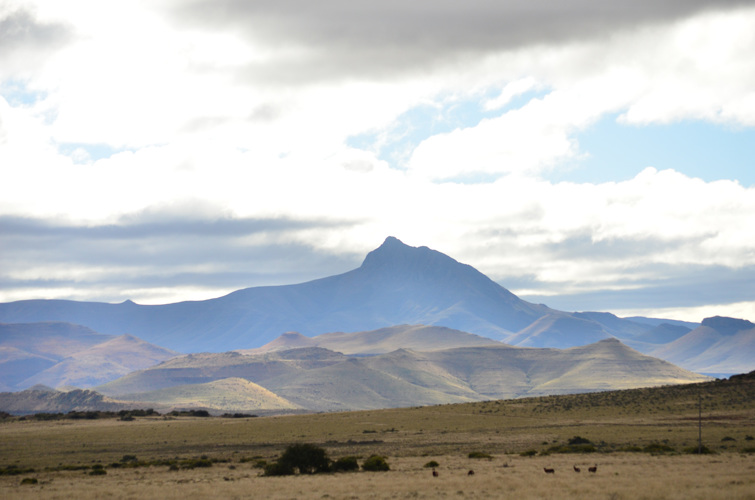
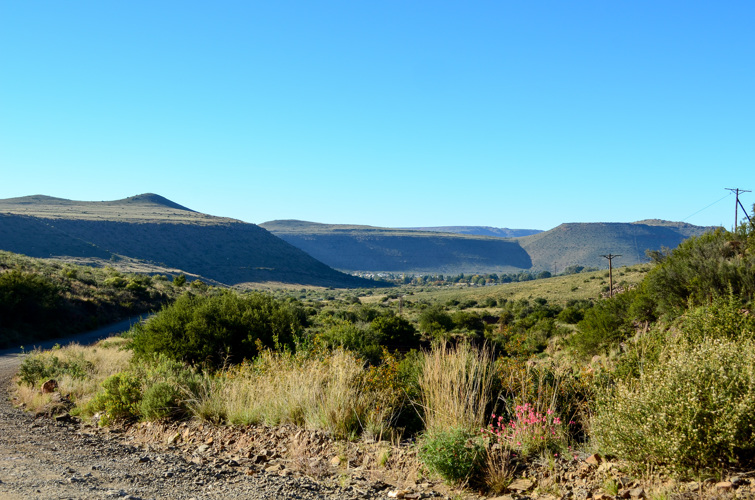
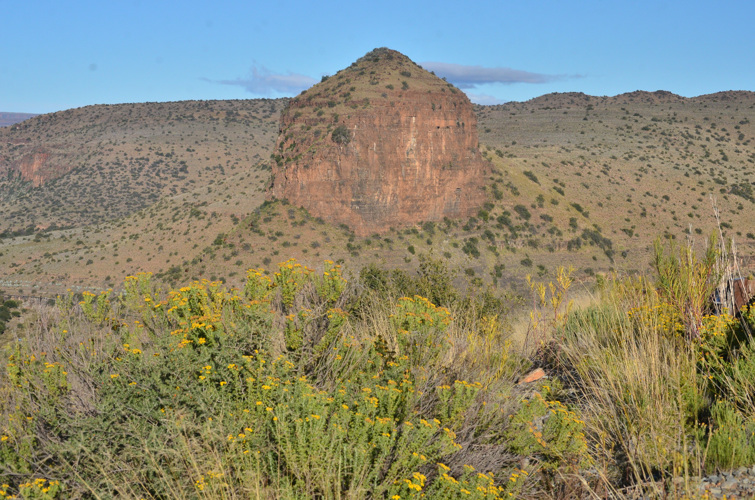
54km drive from Graaff-Reinet, in the Southern foothills of the Sneeuberge, lies Nieu-Bethesda. This unspoilt village is dominated by the towering Compassberg (2504m), the highest peak in South Africa outside the Stormberg-Drakensberg massif.
This remote Eastern Cape Karoo hamlet is best known for Helen Martins’ iconic Owl House and some of the most memorable fossil discoveries of the last hundred years.
Nieu-Bethesda was founded in 1875 as a church town, like many other Karoo villages, and attained municipal status in 1886. The name is of biblical origin (John 5:2–4) and means "place of flowing water".
The Great Depression, improved transport and the secluded location led to a mass exodus from Nieu-Bethesda during the 1930s and ‘40s, leaving the town in an impoverished state. This isolation of Nieu-Bethesda resulted in the retention of much of its historical integrity and charm.
Athol Fugard’s 1984 play, “The Road to Mecca”, and subsequent film adaptation drew international attention and established the village as a tourist destination.
“The Road to Mecca” was inspired by Helen Martins, who was born in Nieu-Bethesda in 1897. Following a teaching and acting career, Helen returned to Nieu-Bethesda in 1928 to care for her frail parents. After her father’s death in 1941, she began to transform her home and garden in a quest to bring wonder, magic and light into her existence. Helen’s creations, The Owlhouse and Camelyard are now considered some of the best Outsider Art in the world. At the age of 78, crippled by arthritis and suffering the increased loss of vision, Helen took her own life by drinking a mixture containing caustic soda.
Another famous native of Nieu-Bethesda is James Kitching whose contribution to Karoo palaeontology of southern Africa and Gondwana, earned him international recognition. Born in 1922, James’ passion for fossils developed as a child whilst accompanying his father, a road gang supervisor on his workings. Kitching went on to head the world-famous Bernard Price Institute for Palaeontological Research at the University of Witwatersrand. The Kitching Fossil Exploration Centre in Nieu-Bethesda, named after him, displays fossils found in Nieu-Bethesda and surrounding Karoo.
Recently, Nieu-Bethesda has been settled by artists, crafters and other offbeat characters looking for a simpler life.
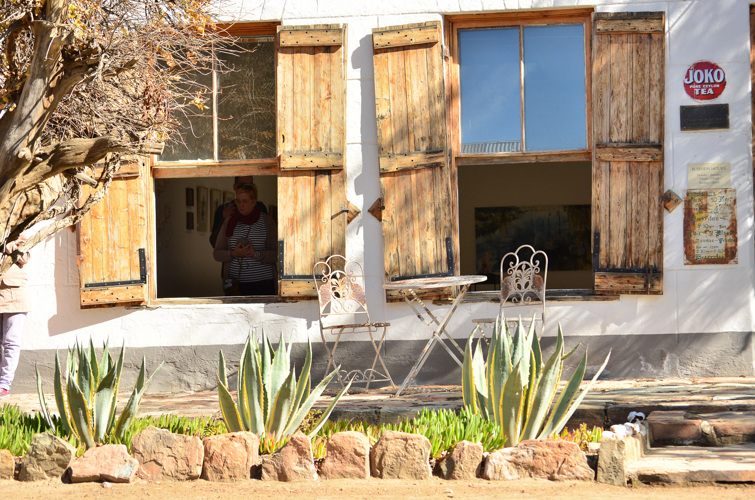
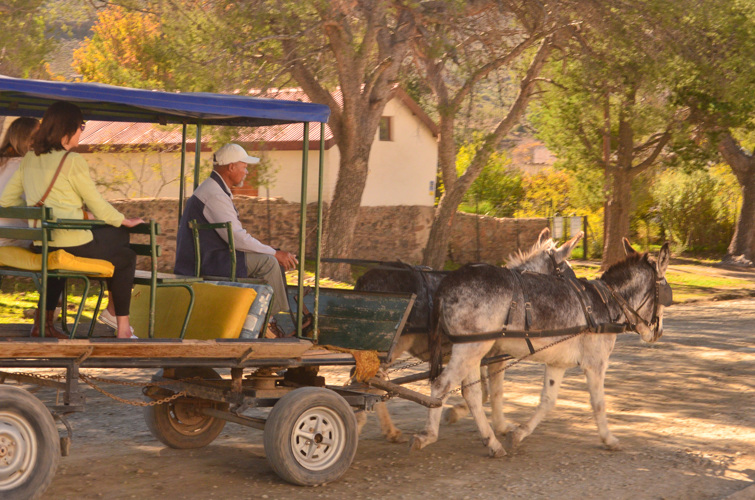
The rustic charm of Nieu-Bethesda attracts tourists to the village, which now boasts a variety of guesthouses and other accommodations, several restaurants, a pub, brewery and art galleries.
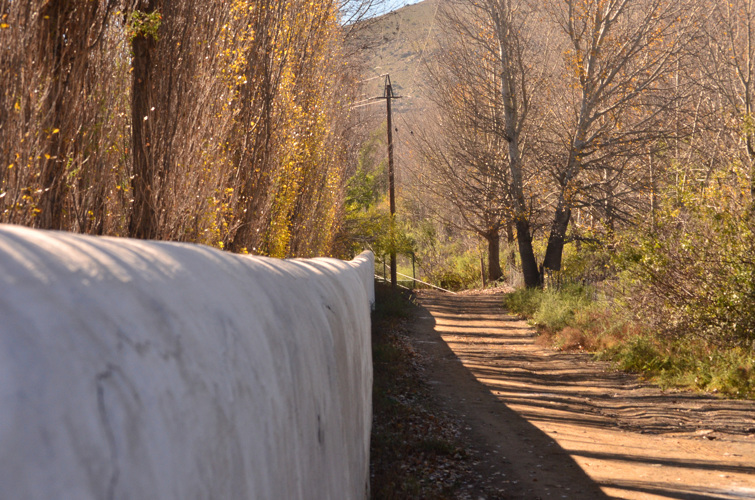
Presently home to around 1500 people, Nieu-Bethesda still has no streetlights and no tarred roads.
Neighbouring Towns
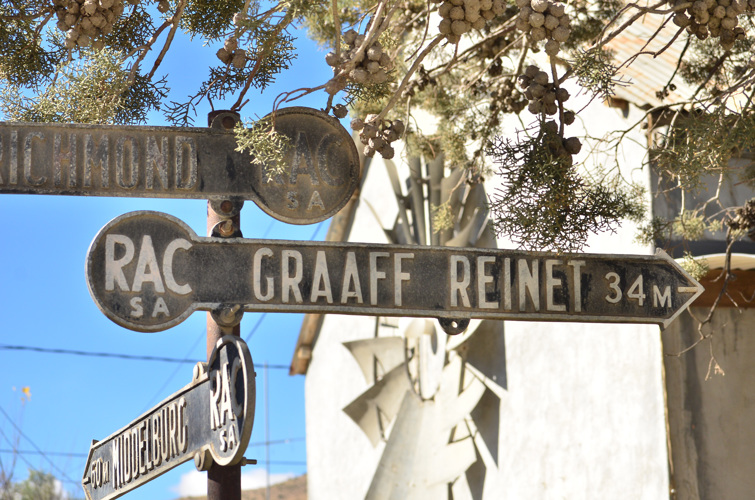
Distances below are the most popular roads, sometimes dirt and sometimes tar.