










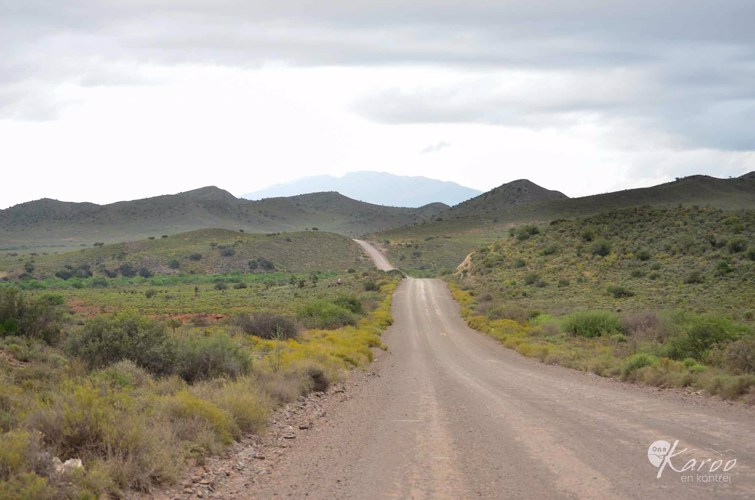


The small town of Ladismith, with its Victorian-era houses, lies in a superb setting at the foot of the western tip of the Swartberg, beneath the towering peaks - 2200 metre Toorkop and 2189 metre Toringberg. Named after the beautiful Spanish-born wife of Governor Sir Harry Smith, the town began when the Dutch Reformed Church was built in 1852 and became a municipality in 1862. Ladismith shared the ostrich feather boom of the 1800s and early 1900s and suffered greatly when the crash came in 1914.
Today, this beautiful mountain landscape and fertile farmland are the town's assets. The town is an extensive farming area with an ideal climate for producing quality fruit. Ladismith produces a third of the country's apricots, peaches, plums and nectarines, which are mainly exported. The fertile valley is also ideal for growing grapes.
Neighbouring Towns
Distances below are the most popular roads, sometimes dirt and sometimes tar.