Thomas Bain the great road engineer



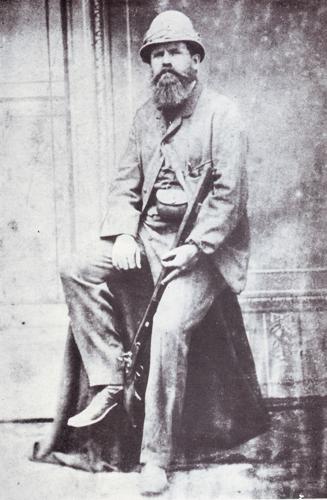
Thomas Charles John Bain, a pioneering engineer whose work transformed South Africa's infrastructure, died on 10 October 1893 at the age of 63. Born in Graaff-Reinet on 29 September 1830, Bain spent much of his life in the Cape Colony, where he became one of the leading road builders of his time. His legacy is particularly evident in the network of mountain passes he designed, many of which remain vital routes today.
Bain was born into a family of engineers—his father, Andrew Geddes Bain, was a respected road builder and the first South African geologist. Andrew Bain's contributions to early road building in South Africa, including the Ouberg Pass and Michell's Pass, laid the foundation for his son's future. Thomas apprenticed under his father and worked on several key projects, and his early exposure to road building and geology would shape his career.
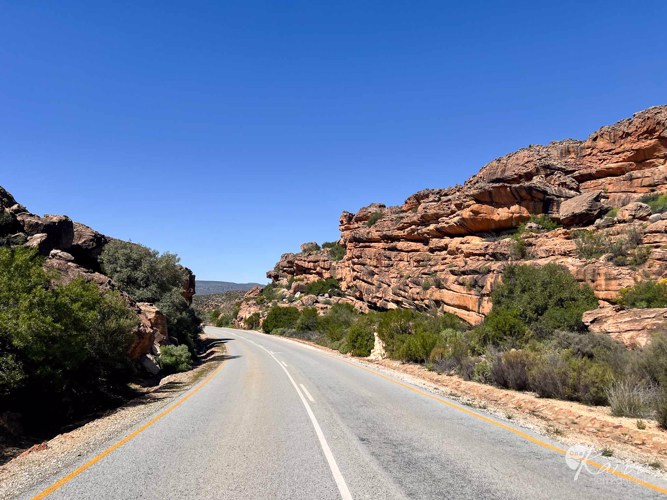
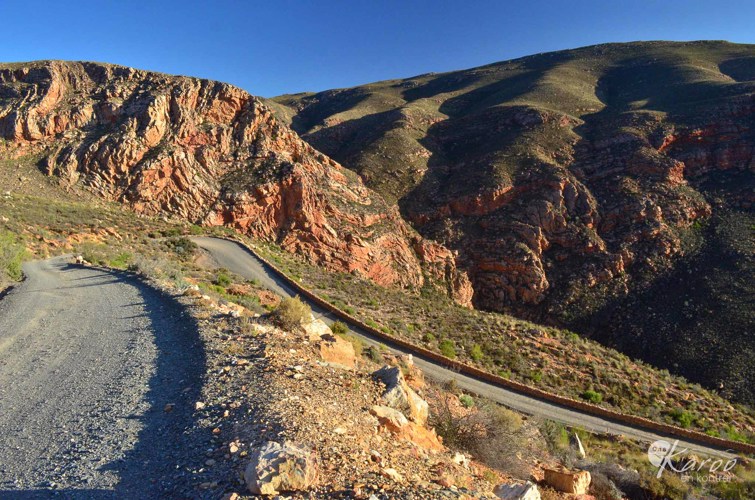
In 1854, at the age of 24, Bain was appointed Inspector of Roads for the Western Province, taking on a leadership role in the region's burgeoning road network. Over the next three decades, Bain would oversee the construction of over 900km of road, including some of South Africa's most iconic mountain passes. His work was essential in opening up previously inaccessible regions, contributing significantly to economic growth and connectivity across the country. Bain's road-building projects were essential in an era when travel was slow and difficult. His engineering innovations addressed the challenges of building roads through South Africa's mountainous terrain, often for ox-drawn carts. His designs prioritized manageable gradients, allowing for safer travel over difficult landscapes. Among his many achievements, Bain is best known for the Swartberg Pass, completed in 1888. This pass, considered one of his crowning achievements, replaced the dangerous Meiring's Poort and remains one of the most admired roads in South Africa. The pass's zigzagging mountain roads and dry stone retaining walls are an example of Bain's engineering brilliance.
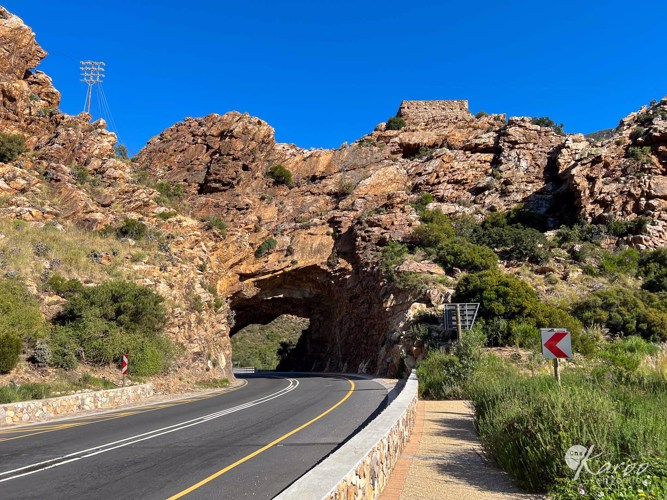
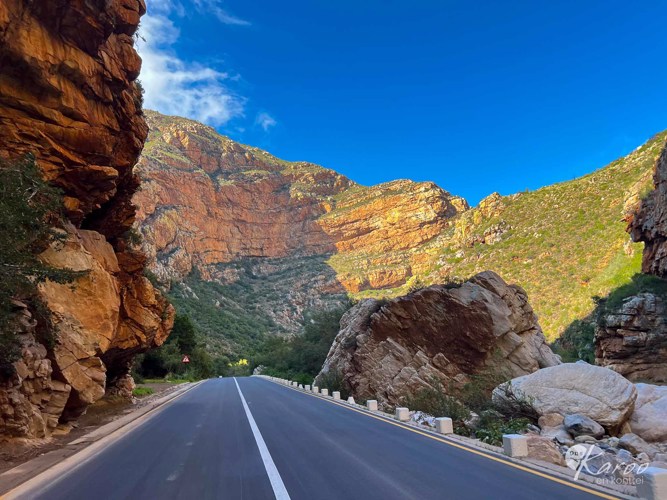
Other works by Bain include Molteno Pass, Pakhuis Pass, Kogmanskloof Pass and Robinson Pass. Each of these roads opened up important regions for trade, travel and settlement, contributing to the economic development of South Africa.
Bain's approach to road building was not only about overcoming geographical obstacles but also about managing the enormous logistical challenges of working with convict labour. Many of the roads he built were built using convict labour, a difficult and often controversial process that Bain pursued with remarkable efficiency.
Bain's work extended beyond road building. He was also involved in geological surveys and irrigation projects, which contributed to the wider development of the colony. His work in water supply, especially in the arid regions of the Karoo, further strengthened his reputation as a versatile engineer. He was also one of the people approached to conduct geological surveys in Prince Albert after gold was discovered there in 1871.
Thomas Bain's contributions to South Africa's infrastructure are monumental. His roads, especially the mountain passes, remain a testament to his ingenuity and determination. Bain's legacy lives on in the very landscape he helped shape, ensuring that his name is remembered as one of the foremost engineers in South Africa's history.
Source:
- Burman, Jose. 1963. So high the road. Cape Town: Human & Rousseau.
- Goetze, Timothy Mark. 1993. Thomas Bain, road building and the Zwartberg Pass. MA(History) thesis. University of Stellenbosch.
- Storrar, Patricia. 1984. A colossus of roads. Cape Town: Murray & Roberts/Concor.