The Angora Goat
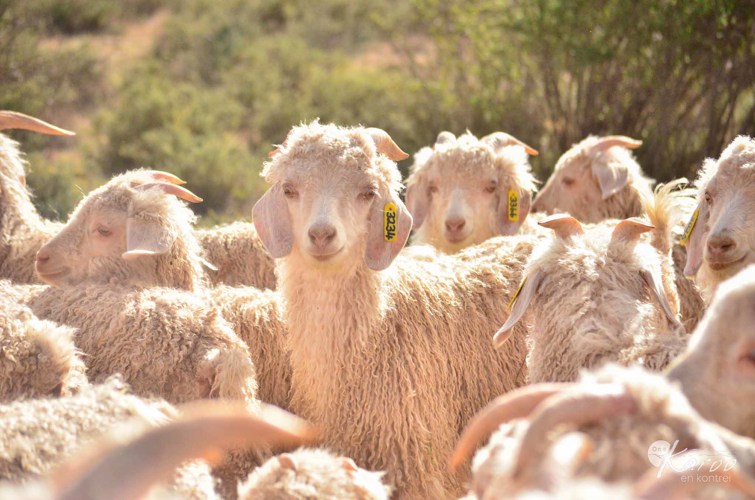

South Africa is the world's leading producer of mohair, accounting for approximately 51% of global production by 2024, according to Mohair SA. The majority of the country's Angora goat farms are in the Karoo region of the Eastern Cape and surrounding areas, where the climate—hot, dry summers, cold winters, and semi-desert vegetation—create ideal conditions for the goats to thrive.
Angora goats (Capra arabica) were imported to South Africa in 1838 by businessman Adolph Mosenthal, initially to improve the quality of goat meat. The first ram auctions took place at Graaff-Reinet in 1875 when Europe had developed a strong demand for the fine mohair used by textile manufacturers. By 1912, mohair production had peaked, with some 4.4 million goats producing more than 10.6 million kilograms of fast-growing mohair, which can grow up to 20 mm per month.
In the mid-20th century, due to the impact of droughts and the Great Depression, the goat population declined to around 600,000 by 1950. However, as demand for mohair increased again, production picked up. By 1977, the export of mohair, produced by 1.2 million goats, contributed R25 million to South Africa's foreign exchange earnings. Today, there are approximately 800,000 Angora goats in South Africa.